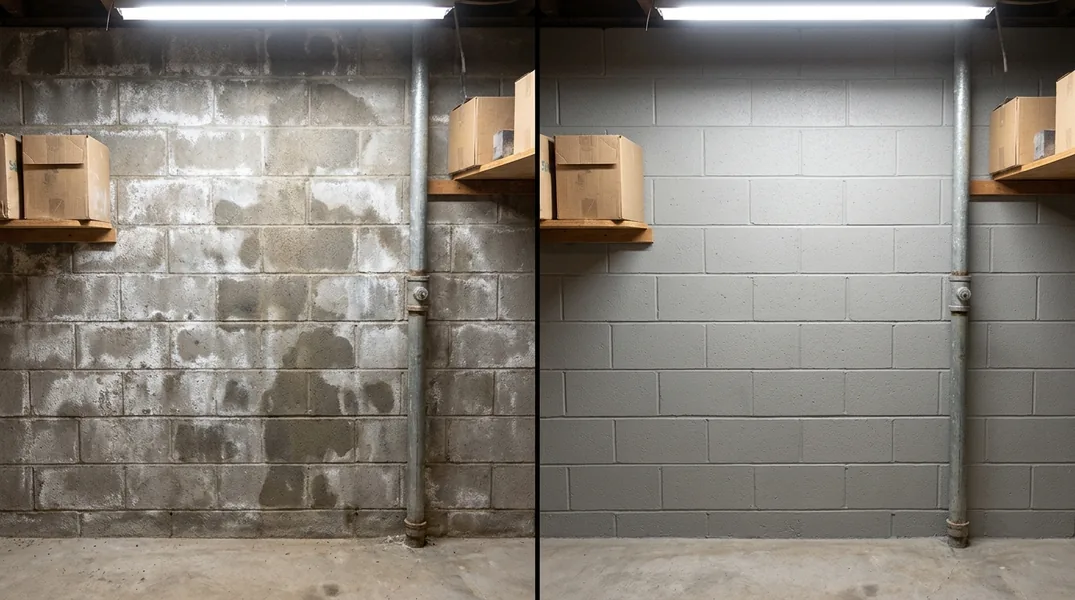
Why Spring Is the Riskiest Season for a Dayton Basement
Spring arrives in the Miami Valley with a one-two punch: saturated soil from melting snow and a parade of heavy thunderstorms that dump inches of rain in a matter of hours. For homeowners in Dayton, that combination puts enormous pressure on basement walls and floors. Water that cannot drain away quickly enough seeks the path of least resistance, and all too often that path leads straight into your basement.
The Kettering and Centerville areas sit on heavy clay soils that absorb water slowly. When the ground is already full, new rainfall runs along the surface and pools against foundations. Add the Beavercreek corridor's older housing stock, much of it built before modern drainage standards, and you have ideal conditions for Dayton basement flooding. Understanding why spring is different is the first step toward protecting your home.
Great Miami River Flooding and Storm Flooding Basement Risks
When people talk about Great Miami River flood basement concerns, they are usually thinking of the big events: the river cresting after days of rain and pushing water into low-lying neighborhoods. Those events are real and serious, but the more common culprit is storm flooding basement damage caused by overwhelmed gutters, downspouts, and municipal storm sewers. A single intense thunderstorm can send water sheeting toward your foundation even when the river itself stays within its banks.
Storm water has a way of finding every weakness in a home's exterior envelope. Cracked mortar joints, failed window wells, and clogged footing drains all become entry points when the ground is saturated. If your basement has ever taken on water during a spring storm, the problem will not fix itself. It typically gets worse each season as the soil shifts and cracks widen. That is why Basement Waterproofing should be planned before the next round of storms, not after the damage is done.
Signs of Seasonal Basement Leaks You Should Not Ignore
Seasonal basement leaks often announce themselves quietly. You might notice a musty smell in April that fades by June, or a white powdery stain on the concrete wall that reappears every spring. These are not cosmetic issues. Efflorescence, the chalky residue left behind when water evaporates through concrete, is a clear signal that moisture is moving through your foundation walls. Damp spots near the floor line, rusted appliance feet, and warped baseboards tell the same story.
It is tempting to treat a small spring leak as a minor annoyance, but water is persistent. Each freeze and thaw cycle widens existing cracks and opens new ones. By the time water is pooling on the floor, the damage has usually been developing for years. A professional inspection can identify whether the source is surface water, groundwater pressure, or a failing drain system. In many cases, an Interior Drain Tile System combined with proper wall sealing solves the problem without major excavation.
Flood Prevention Steps Every Homeowner Can Take
Good flood prevention starts above ground. Clean your gutters at least twice a year and make sure downspouts discharge water at least six feet away from the foundation. Check that the soil around your home slopes away from the walls rather than toward them. Extend downspouts if needed, and keep window wells clear of leaves and debris. These low-cost steps reduce the volume of water that ever reaches your foundation.
Inside the basement, keep storage items off the floor and maintain a working sump pump with a battery backup. Test the pump before storm season by pouring a bucket of water into the pit and watching it cycle on and off. If you do not have a sump pump, or if yours is old and noisy, it is worth having it evaluated. For homes with persistent seepage, Exterior Basement Waterproofing can address the problem at its source by improving drainage and sealing the foundation from the outside. A comprehensive Foundation Waterproofing plan often combines both interior and exterior measures for the best protection.
Basement Waterproofing Near Me: When to Call a Professional in Dayton
Some homeowners can manage minor moisture with gutters and grading, but others need professional help. If you have seen water on the floor more than once, noticed cracks wider than a hairline, or smelled mold after spring rains, it is time to call a pro. DIY sealants and paints rarely solve the underlying problem, and they can trap moisture inside the concrete, which accelerates deterioration. A trained eye can tell the difference between a simple drainage fix and a structural issue that needs immediate attention.
When you search for basement waterproofing near me in Dayton, look for a local company that understands the region's clay soils and storm patterns. Dayton Waterproofing has helped homeowners across the Miami Valley diagnose and repair seasonal leaks for years. We start with a thorough inspection and explain your options in plain language, from drain tile installation to full foundation sealing. You can request a free estimate online or call (937) 818-4090 to schedule a visit.
Basement Waterproofing Cost in Dayton: What to Budget
Homeowners often ask what waterproofing will cost before they commit to a repair. The honest answer is that it depends on the source of the water, the size of your basement, and the method required. A simple crack injection costs far less than a full interior drain tile installation, and exterior excavation is a larger project still. Most reputable contractors provide a written scope of work with line-item pricing so you can compare options fairly.
It helps to think of waterproofing as an investment rather than an expense. A flooded basement can destroy flooring, drywall, furniture, and stored belongings, and mold remediation alone can cost thousands. Preventing water intrusion now is almost always cheaper than repairing the damage later. Ask about warranties and financing options when you get your quote, and make sure the contractor explains what is and is not covered. A clear, written agreement protects both you and your home.
Looking for a professional basement waterproofing contractor in Dayton? Dayton Waterproofing responds fast for all your basement waterproofing needs.
Get a Free QuoteOur services: Basement Waterproofing · Interior Drain Tile System · Exterior Basement Waterproofing